

Film and Documentary Research Practice
Workshop
Tuesday, March 3, 2026
11:00 am
This event has passed.
In this workshop we will explore the dynamic entanglement of architecture and artistic practice within academic research. What is often seen as separate—creative practice versus writing and critical reflection—can in fact form a unique feedback system. In this space, spatial exploration, field work, experimentation, intuition, and reflection intersect and evolve, often through public presentations and open dialogues that accompany ongoing research projects. Rather than reinforcing disciplinary boundaries, the interplay between architecture, art and academic writing opens up a productive force field in which representational strategies can be challenged and reimagined. This convergence fosters new modes of inquiry that are both theoretically grounded and materially engaged. Together with our invited guest, Marc Duncan we will discuss particularly documentary film practice. PhD candidates will present their research projects and films.
SAM JOSEPH
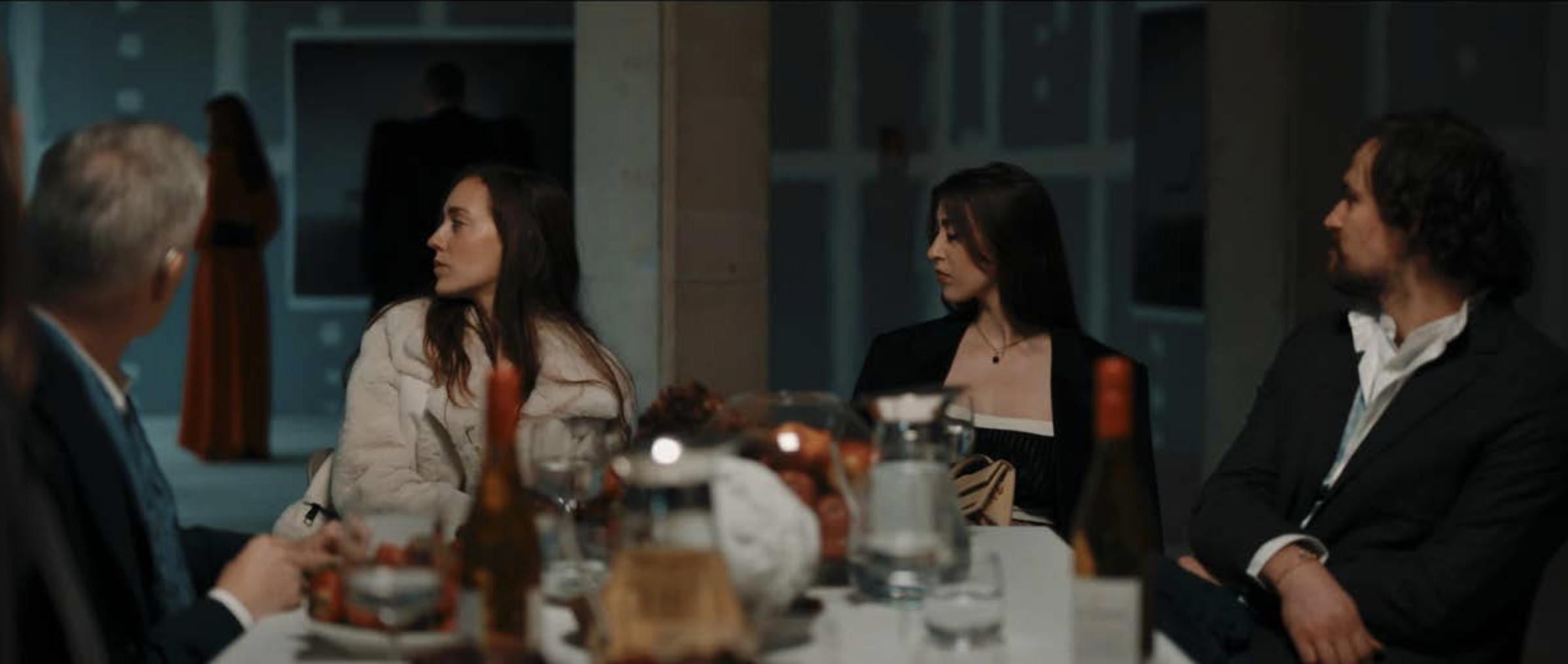
(IN)VISIBLE (11 minutes): This is a fictionalised work based on my own experience. It seeks to raise awareness of the often-invisible nature of domestic violence, intentionally avoiding gratuitous depictions of abuse.
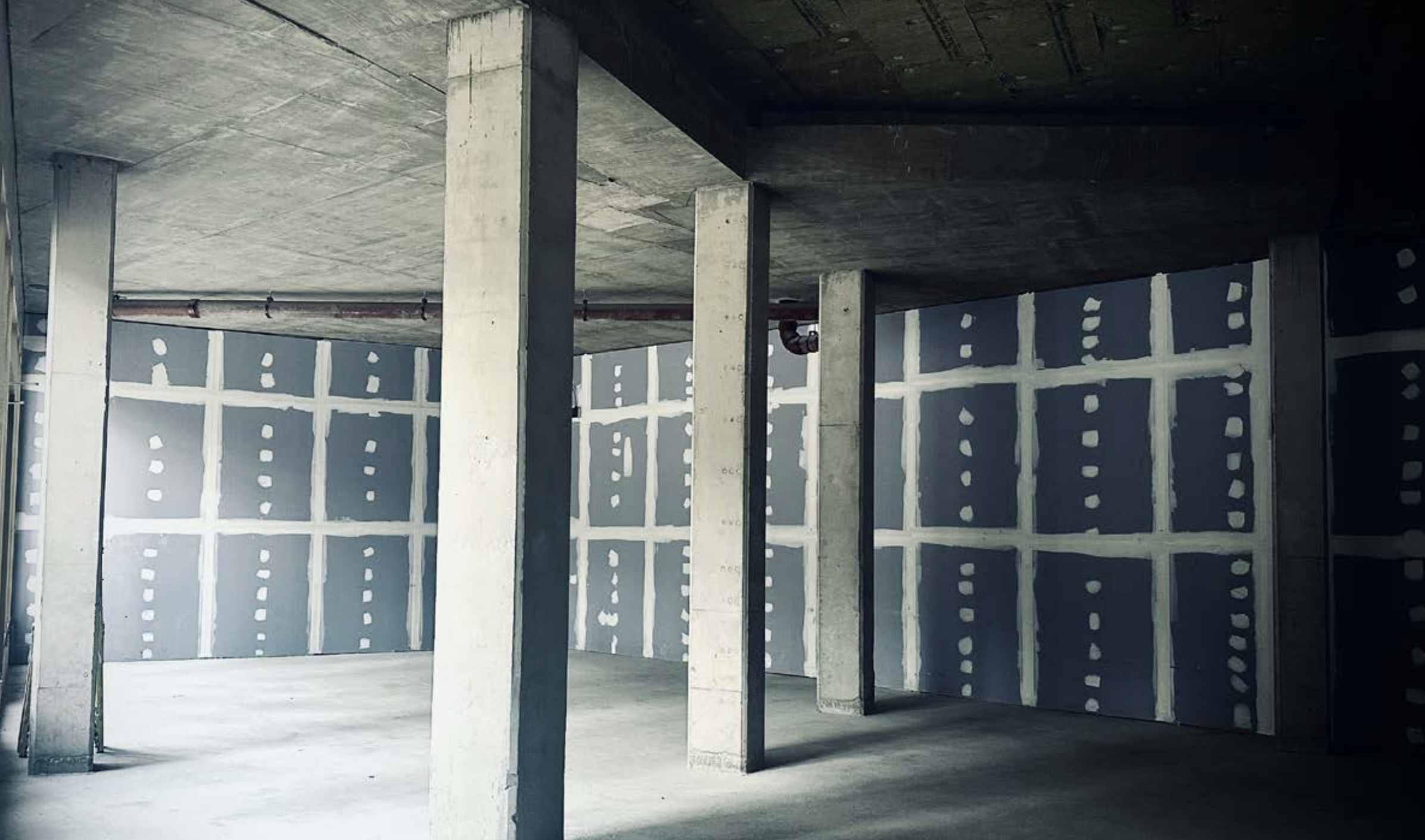
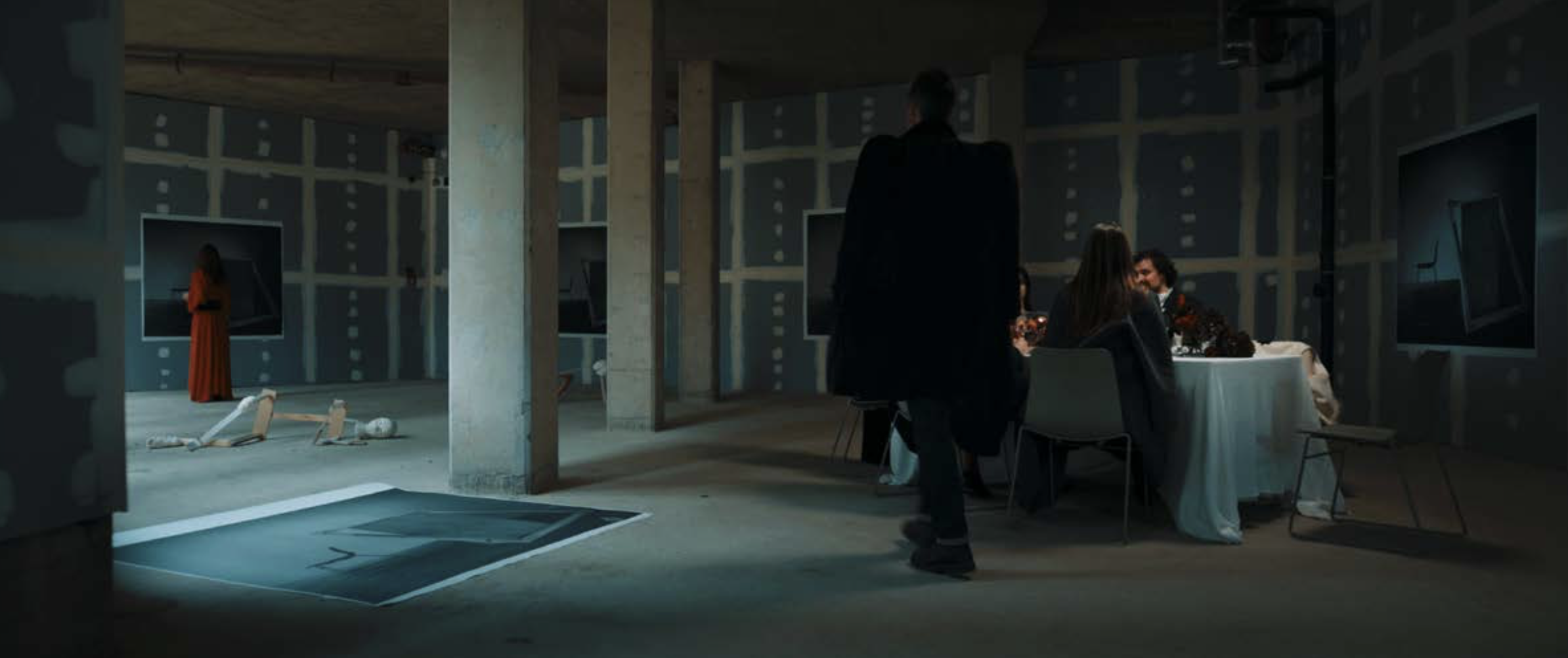
FALLEN (5 minutes): This is a performance piece inspired by conversations with Killed Women and will form part of their Fallen Women campaign later this year. FALLEN raises awareness of femicide, including deaths resulting from women being pushed from heights, and advocates for legislative change. It is also an example of hybrid filmmaking, existing not only as a short film but also as aVR and multi-screen projection installation, as well as a screen print series.The spaces and design of both films dismantle conventional visual codes associated with representations of violence.
CLÁUDIA DA PALMA ROMÃO
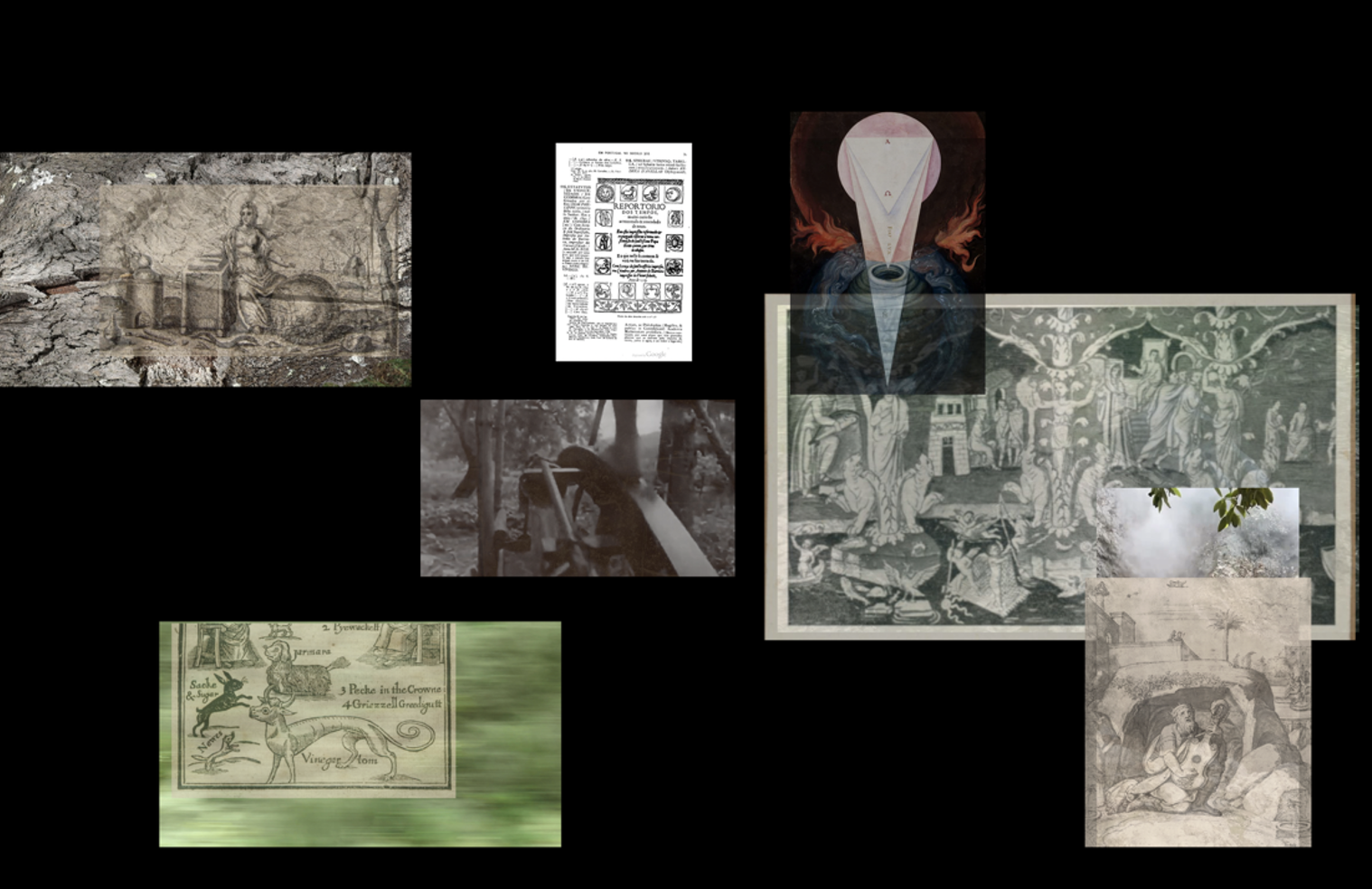
THE PATH OF THE BONES (5 min): The oral narrative draws on a poetic short story by the Portuguese eco-mythologist Sofia Batalha, from her book Sanctuary, in which she guides us on an ancestral journey into the “body-landscape” of the far west of the IberianPeninsula’s cultural memory. This video essay unfolds as one of the first storytelling exercises conceived as a speculative living archive. It serves asa receptacle for encounters, remembrances and counter-histories that run transversally to the theoretical and scientific written framework. In doing so, the work repositions history and iconography as contested terrain. It proposes an argument not as the recovery of a fixed or “pure” past, but as the activation of possible pasts — histories that have been silenced, fragmented or displaced. Through layered imagery of archaeological fragments, archival documents, site perambulations and oral traditions, the visual and oral narrative traces specific localities of an ancient past that persists. Myths emerge as thresholds between non-linear temporalities and overlapping realities, while histories resonate as reverberations of an earth-language.
BAIQI CHEN
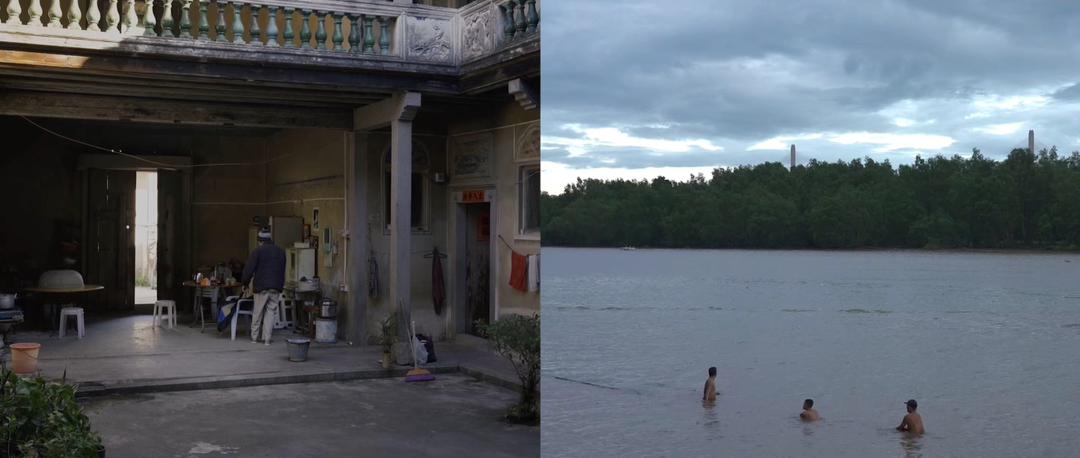
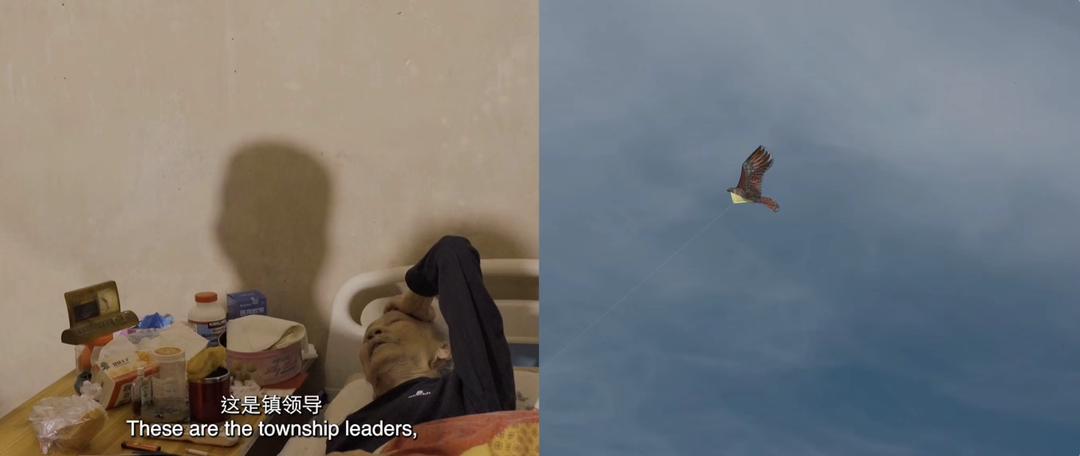
OUT OF PLACE: FROM CAN THO TO CHENGHAI (20 min): This film centres on an elderly man born in Can Tho, Vietnam and his life long connection to a grand family mansion in Chenghai, China over the past century. Drawing on his memories and imaginings of life in Vietnam, I use this architectural space to explore how he and his family have come to understand their own fate while navigating dramatic political regime changes and turbulent social upheavals across a hundred years. Through this case, the film examines how such structures were constructed, abandoned and later repurposed. Behind them lies a tortuous yet little-known history, representing the original sin and the shackles of an entire generation. This forms the essential context through which contemporary audiences may observe, understand and engage with these spaces today.
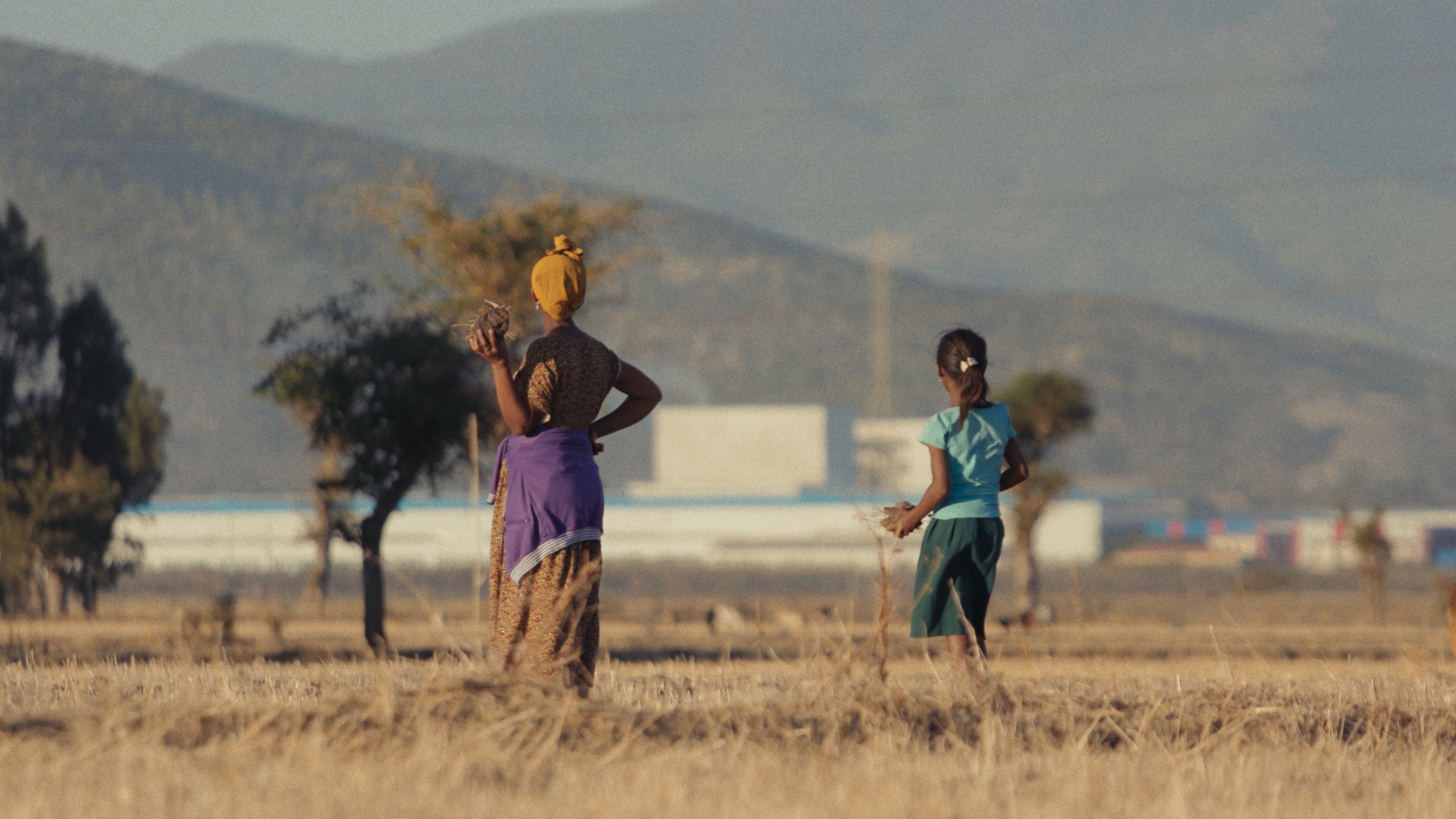
Max Duncan is an award-winning filmmaker, cinematographer and journalist whose work has appeared on platforms including the BBC, PBS, The Guardian, The New York Times and Al Jazeera and screened at major international festivals. He worked for a decade in China, first for Reuters news agency in Beijing and then independently, and has reported widely across Asia (including multiple trips to North Korea), Africa, Europe and Latin America. Max has received recognition including a World Press Photo Award, been supported by organizations including Pulitzer, and is an alumnus of Yaddo and Logan Nonfiction programs. His first feature documentary, Made in Ethiopia, was awarded the Special Jury Mention at Tribeca Festival 2024.


Architecture PhD
Postgraduate Research
The Programme's Elevator Pitch!
Please view the programme's elevator pitch for an overview.
General Information
Please find information on the programme curriculum, application rounds and fees.
Apply
Please consult the Royal College of Art's application portal:
Accessibility Statement
This accessibility statement applies to pgr.rca-architecture.com. This Website is run by the Royal College of Art, whose registered office is at Royal College of Art, Kensington Gore, London SW7 2EU.
The Royal College of Art is committed to making its websites accessible, in accordance with the Public Sector Bodies (Websites and Mobile Applications) (No. 2) Accessibility Regulations 2018. We have developed this Website to ensure that it is usable by as many people as possible, regardless of age, technology, device or disability. For example, this means you should be able to:
- change colours, contrast levels and fonts using browser or device settings
- zoom in up to 400% without the text spilling off the screen
- navigate most of the Website using just a keyboard
- navigate most of the Website using speech recognition software
- listen to most of the Website using a screen reader (including the most recent versions of JAWS, NVDA and VoiceOver)
We have also made the Website text as simple as possible to understand. This Website is partially compliant with the Web Content Accessibility Guidelines (WCAG) version 2.2 AA standard, due to the non-compliances listed below. Some parts of the Website may not yet be fully accessible. For example:
- Some older PDF documents or downloadable materials may not be fully accessible to screen reader users.
- Some images may not yet have fully descriptive alternative text.
- Some embedded media may not include captions or transcripts.
- Some pages may contain minor structural issues such as heading hierarchy or link descriptions.
We are working to review and update these areas as part of our ongoing commitment to improving accessibility. If you encounter accessibility barriers on this Website, or need information in an alternative format (for example accessible PDF, large print, easy read, audio recording or braille), please contact us:
Royal College of Art
Email: research@rca.ac.uk
When contacting us, please include the webpage or document URL and a description of the issue so that we can assist you more effectively.
If you are not satisfied with our response to your accessibility request, you can contact the Equality Advisory and Support Service (EASS) for advice and support regarding accessibility and discrimination issues.
This statement was prepared on 6 March 2026. It was last reviewed on 6 March 2026.
The Royal College of Art website uses cookies to improve user experience, analyse website usage and ensure the website functions effectively.
When you first visit the Website, you will be presented with a cookie consent banner that allows you to accept or reject non-essential cookies. Only cookies that are strictly necessary for the operation of the Website are set automatically. All other cookies (such as analytics or performance cookies) are used only with your consent. You can change or withdraw your cookie preferences at any time through the cookie settings available on the Website. This approach ensures that the Website complies with the UK General Data Protection Regulation (UK GDPR) and the Privacy and Electronic Communications Regulations (PECR).
Contact
Prof Dr Ines Weizman
Professor of History and Theory of Architecture
Head of PhD Programme
School of Architecture
Royal College of Art
Kensington Gore, London
SW7 2EU
ines.weizman@rca.ac.uk
School of Architecture, Royal College of Art
Postgraduate Research (PGR) Programme